

If you’ve been thinking about brightening your smile, understanding what happens during a professional teeth whitening appointment can help you feel prepared and confident. Visiting Smile Drs in Cromwell, CT allows you to experience a carefully guided whitening process that can noticeably enhance the brightness of your teeth while supporting your overall oral health. This overview explains each step of a typical professional whitening visit, what sensations to expect, and how to maintain your results afterward.
Beginning Your Whitening Visit
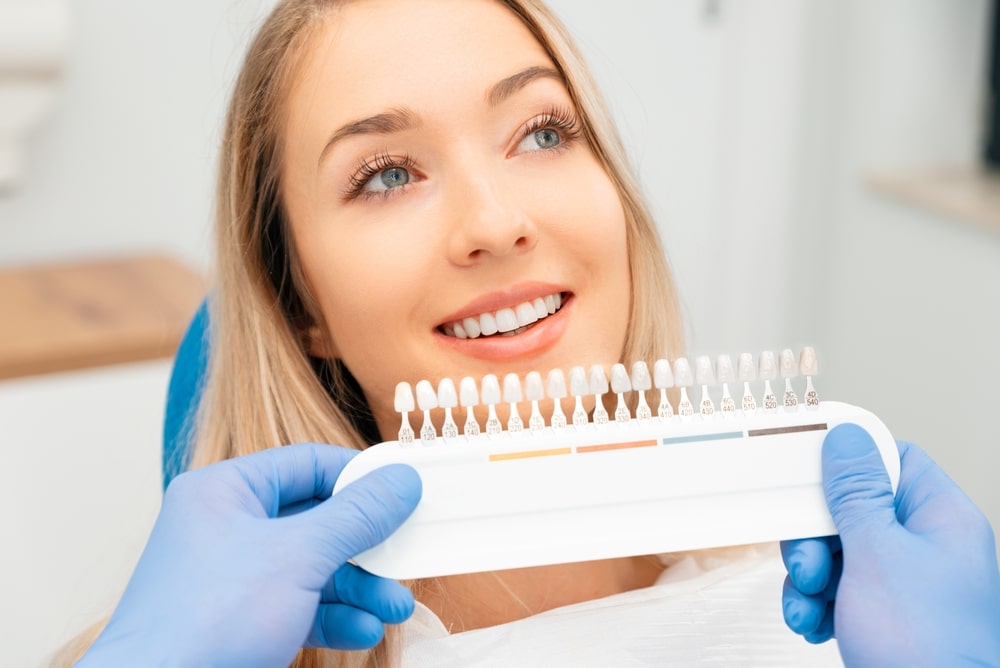
Your appointment starts with a brief evaluation to determine the current shade of your teeth and whether whitening is a good match for your goals. The dentist will examine your enamel, identify the cause of your discoloration, and help set realistic expectations for your outcome. Many patients like reviewing the shade guide during this stage because it provides a clear visual reference for how their smile may change.
If you are already exploring ways to enhance the cosmetic appearance of your smile, learning about options such as veneers can also be helpful. Some patients compare professional whitening with longer-lasting cosmetic treatments like veneers because both can dramatically impact the color and uniformity of their smile. Others consider whether tooth straightening through a system like Invisalign may improve the evenness of their whitening results, particularly if crowding creates areas where stains accumulate more easily. Resources such as information about veneers and laminates or clear aligners like Invisalign may provide additional clarity as you think about long-term aesthetic goals.
Before whitening begins, your dentist may recommend a cleaning if plaque or tartar is present. Surface buildup can block the whitening gel from working evenly across the enamel. Learning more about the benefits of a dental cleaning consultation can help you understand how cleanings support both oral health and cosmetic treatments like whitening.
Preparing Your Teeth for Whitening
Once it’s time to begin, your dentist will place a protective barrier along your gumline. This shields sensitive tissues from the whitening gel and ensures the active ingredients stay focused on the teeth. A retractor may also be used to gently keep your lips away from the enamel during treatment.
Next, the dentist applies a professional-strength whitening gel to the surface of your teeth. This gel is formulated to break apart stain molecules that have settled deep within the enamel from coffee, tea, red wine, or natural aging. Depending on the system used, a specialized light may activate the gel. The gel typically remains on your teeth for several minutes before being removed, and the process may be repeated in cycles to achieve your desired level of brightness.
During this phase, your dentist monitors your comfort closely. Some patients experience mild tingling or intermittent “zingers,” which are brief flashes of sensitivity. Though temporary, your dentist can adjust the treatment if needed, giving you breaks between whitening cycles.
What Happens During the Whitening Process
Throughout your appointment, the dentist compares your shade progress against the original color of your teeth. This helps guide decisions about how many whitening cycles to perform and ensures the outcome looks natural. Many patients appreciate seeing the gradual transformation as staining begins to lift and the enamel becomes noticeably brighter.
If you have missing teeth or spaces in your smile, you may also consider how whitening integrates with future tooth replacement options. People who explore treatments such as dental implants often ask whether they should whiten before moving forward, since implant crowns are color-matched to the shade of your natural teeth. Whitening first ensures the best match for long-term aesthetics.
At the end of your treatment cycles, the dentist thoroughly removes the whitening gel and rinses your mouth. You may also receive a strengthening treatment designed to soothe sensitivity and help your enamel recover after whitening.
Reviewing Your Results and Completing the Visit
One of the most rewarding parts of the appointment is comparing your before-and-after shades. Seeing the brightness increase—even by several shades—can be exciting and motivating for patients who have been wanting to refresh their smile.
Your dentist may discuss how long you can expect your results to last and what habits can help prolong them. For some, whitening becomes part of a long-term cosmetic plan alongside other smile-enhancing procedures. Reviewing resources such as professional teeth whitening can help you better understand the different whitening systems available and how they work.
This is also a good moment to ask questions about future treatments you may be considering. Whether your goals involve straightening, replacing, brightening, or reshaping teeth, whitening can play an important role in achieving a balanced and harmonious final smile.
Tips for Maintaining Your Whitening Results
Maintaining your professionally whitened smile requires a little extra care, especially in the first 48 hours when your enamel may be more receptive to stains. The following tips can help extend your results and keep your smile bright:
• Avoid strongly colored foods and drinks such as berries, red wine, soy sauce, tea, and coffee.
• Use a straw when enjoying beverages that may stain your enamel.
• Brush and floss consistently to limit surface stains caused by plaque buildup.
• Schedule periodic touch-ups when recommended by your dentist.
• Wear a night guard if you grind your teeth, since grinding can make enamel more prone to discoloration over time.
Regular professional cleanings also support your whitening results by removing buildup that dulls the teeth. If you grind or clench, straightening your teeth with a system like Invisalign may also improve both the appearance and longevity of whitening by reducing areas where stains tend to accumulate.
When Whitening May Not Be the First Step
While whitening is safe and effective for most people, there are situations where a dentist may recommend addressing other oral concerns first. Enamel damage, untreated cavities, gum inflammation, or deep internal stains may require preliminary care before whitening. Some structural concerns, such as tooth loss, may prompt patients to explore foundational restorative treatment before cosmetic whitening.
Learning about options like dental implants or reviewing long-term cosmetic solutions such as veneers and laminates can help you better understand how whitening fits into a broader smile plan.
Final Thoughts
A professional teeth whitening appointment is a safe, effective, and customized experience designed to brighten your smile and boost your confidence. Understanding what happens at each stage of the process—from the initial evaluation to the final shade comparison—helps you feel prepared and comfortable throughout the visit. With the right aftercare and daily habits, your results can remain vibrant for an extended period. If you are considering whitening, knowing what to expect at Smile Drs in Cromwell, CT can help you approach your appointment with clarity and confidence.
Sources:
Kwon, S.R. & Watts, A. (2017). Whitening toothpastes and other whitening products: Review of efficacy and safety. Journal of Dentistry.
Joiner, A. (2010). The bleaching of teeth: A review of the literature. Journal of Dentistry.
Carey, C.M. (2014). Tooth whitening: What we now know. Journal of Evidence-Based Dental Practice.