

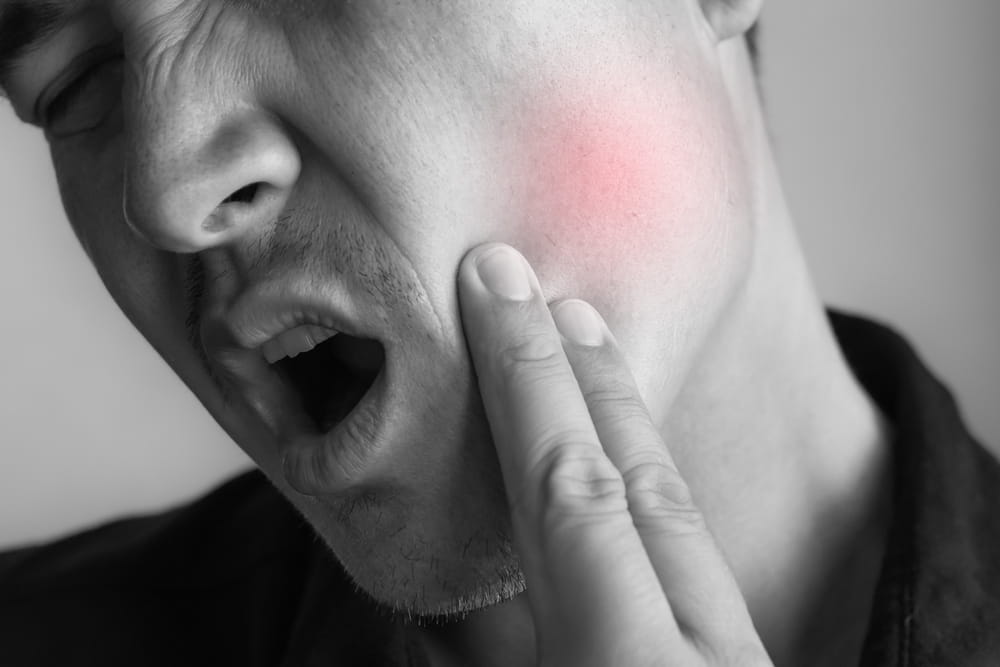
Jaw discomfort is often easy to dismiss, especially when symptoms come and go or feel mild at first. However, ongoing jaw issues may signal a problem with the temporomandibular joint, commonly referred to as the TMJ. This joint connects the jaw to the skull and plays a critical role in everyday functions such as chewing, speaking, and yawning. At Smile Drs in Cromwell, CT, patient education helps individuals recognize early warning signs that may indicate the need for TMJ evaluation and care.
TMJ disorders can develop gradually, making it difficult to identify when discomfort becomes something more serious. Many people live with symptoms for months or even years before seeking professional insight. Understanding the common signs of TMJ issues can help individuals recognize when it may be time to explore treatment options and protect long-term jaw health.
Jaw Pain and Facial Discomfort That Persists
One of the most common warning signs of TMJ issues is ongoing jaw pain or tenderness. This discomfort may appear on one or both sides of the jaw and can range from a dull ache to sharper sensations during movement. Some individuals notice pain when chewing tough foods, while others experience discomfort even at rest.
TMJ-related pain does not always stay localized to the jaw. It may radiate into the cheeks, temples, neck, or shoulders, making it difficult to pinpoint the source. Facial soreness or fatigue after talking or eating for extended periods may also suggest strain on the jaw joint and surrounding muscles.
When jaw pain becomes persistent or begins to interfere with daily activities, it may be time to learn more about TMJ treatment and how professional evaluation can help identify contributing factors.
Clicking, Popping, or Grinding Sounds in the Jaw
Sounds coming from the jaw joint are another common indicator of TMJ concerns. Clicking, popping, or grinding noises may occur when opening or closing the mouth, chewing, or yawning. While occasional joint sounds are not always problematic, frequent or loud noises accompanied by discomfort may signal joint misalignment or inflammation.
These sounds often result from changes in how the joint’s disc moves within the socket. Over time, repeated strain or misalignment can affect joint function and lead to increased symptoms. Some individuals may also notice a sensation of the jaw “catching” or momentarily locking during movement.
Ignoring these warning signs may allow joint issues to progress, potentially making symptoms more difficult to manage. Early awareness supports timely care and improved comfort.
Limited Jaw Movement or Locking
Difficulty opening or closing the mouth fully can be a concerning TMJ symptom. Some individuals feel tightness or resistance when trying to open wide, while others experience episodes where the jaw temporarily locks in an open or closed position. These limitations can make eating, speaking, or even yawning uncomfortable or stressful.
Jaw locking may occur suddenly or gradually and can sometimes resolve on its own, leading people to delay evaluation. However, repeated episodes may indicate changes within the joint that require attention. Limited range of motion may also be accompanied by muscle stiffness or soreness around the jaw and neck.
Because jaw mobility is essential for basic daily functions, persistent limitations should not be overlooked. A professional assessment can help determine whether the joint, muscles, or bite alignment are contributing to restricted movement.
Headaches and Ear-Related Symptoms
TMJ disorders are frequently associated with headaches, particularly those felt around the temples or sides of the head. These headaches may feel similar to tension headaches or migraines, leading some individuals to seek treatment outside of dental care without realizing the jaw may be involved.
Ear-related symptoms are also common. People with TMJ issues may experience earaches, a feeling of fullness in the ears, or ringing sensations. Because the temporomandibular joint is located close to the ear canal, inflammation or muscle tension in the area can create symptoms that mimic ear problems.
When headaches or ear discomfort persist without a clear cause, considering the role of jaw function may provide helpful insight. TMJ evaluation focuses on understanding how jaw movement, muscle activity, and bite alignment interact.
Teeth Grinding, Clenching, and Bite Changes
Teeth grinding and clenching, often referred to as bruxism, are closely linked to TMJ disorders. These habits place excessive pressure on the jaw joints and muscles, contributing to strain and inflammation. Grinding may occur during sleep or throughout the day, sometimes without the individual’s awareness.
Over time, clenching and grinding can lead to noticeable changes in the bite or uneven tooth wear. Teeth may appear flattened, chipped, or sensitive, and jaw muscles may feel tight or fatigued. These signs often develop gradually, making them easy to miss until discomfort becomes more pronounced.
Bite changes may also occur as a result of joint instability, altering how the upper and lower teeth come together. Evaluation may involve examining wear patterns, muscle tension, and jaw alignment alongside overall oral health.
Neck, Shoulder, and Muscle Tension
TMJ disorders do not affect the jaw in isolation. The muscles of the jaw are closely connected to the neck and shoulders, and tension in one area can influence the others. Many individuals with TMJ issues report chronic neck stiffness or shoulder discomfort that seems unrelated to injury or posture.
Muscle tension may increase during periods of stress, which can exacerbate clenching habits and jaw strain. This interconnectedness often makes TMJ disorders feel complex, with symptoms appearing in multiple areas at once.
Addressing muscle involvement is an important aspect of understanding TMJ concerns. A comprehensive evaluation considers how muscle activity, joint function, and daily habits contribute to discomfort.
Practical Steps for Recognizing TMJ Warning Signs
Becoming aware of potential TMJ symptoms allows individuals to monitor changes and seek evaluation when needed. While symptoms vary, a few general indicators may suggest it is time for professional insight.
- Ongoing jaw pain or soreness that does not resolve
- Frequent clicking or popping sounds with discomfort
- Difficulty opening or closing the mouth fully
- Regular headaches or ear-related sensations
- Signs of teeth grinding or bite changes
Early recognition supports timely care and may help reduce the risk of symptom progression.
Why Early Attention Matters
TMJ disorders often respond best when addressed early, before symptoms become severe or chronic. Identifying contributing factors such as muscle tension, bite alignment, or grinding habits can help guide conservative management strategies focused on comfort and function.
Education plays a key role in helping patients understand how daily habits, posture, and stress may influence jaw health. Even small adjustments, when combined with professional guidance, can support improved joint function over time.
Understanding Jaw Health and Long-Term Comfort
Recognizing the warning signs of TMJ issues empowers individuals to take an active role in protecting their oral and overall well-being. Jaw pain, clicking, headaches, and muscle tension are not symptoms that should be ignored when they persist or worsen. At Smile Drs in Cromwell, CT, patient education emphasizes awareness and prevention, helping individuals understand when jaw discomfort may signal the need for further evaluation.
By paying attention to early signs and seeking appropriate insight, patients can support long-term jaw comfort and maintain confidence in everyday activities such as eating, speaking, and smiling.
Sources
Okeson, J. P. (2020). Management of Temporomandibular Disorders and Occlusion. Elsevier.
De Leeuw, R., & Klasser, G. D. (2018). Orofacial Pain: Guidelines for Assessment, Diagnosis, and Management. Quintessence Publishing.
Scrivani, S. J., Keith, D. A., & Kaban, L. B. (2008). Temporomandibular disorders. New England Journal of Medicine.