

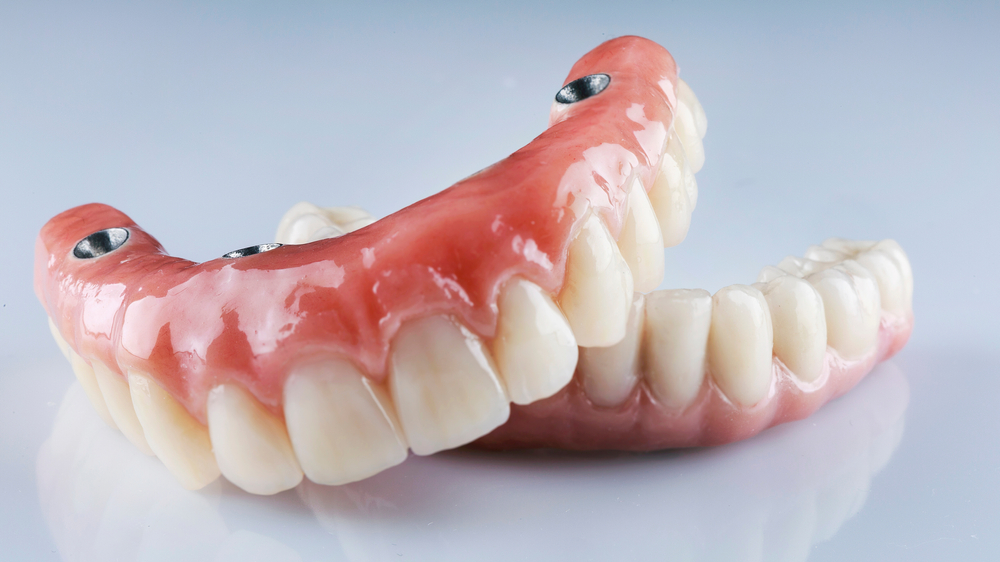
Implant-supported dentures have become one of the most durable and natural-looking solutions for replacing missing teeth. Unlike traditional dentures that rest on the gums, these restorations are anchored to dental implants for exceptional stability, function, and comfort. One of the most common questions patients ask is, “How long do implant-supported dentures last?” The answer depends on several factors—from the quality of the materials to daily care habits. In this blog, we’ll explore the typical lifespan of implant-supported dentures, what affects their longevity, and how you can help them last for many years to come.
In This Blog:
- What Are Implant-Supported Dentures?
- Average Lifespan of Implant-Supported Dentures
- Factors That Affect Their Longevity
- How to Make Implant-Supported Dentures Last Longer
- Signs Your Denture May Need Adjustment or Replacement
- Comparing Longevity: Implant-Supported vs. Traditional Dentures
- When to Visit Your Dentist
What Are Implant-Supported Dentures?
Implant-supported dentures are advanced dental restorations designed to replace a full arch of missing teeth using titanium implants for support. Unlike traditional dentures, which rest directly on the gums, implant-supported dentures are securely anchored to dental implants that fuse with the jawbone. This integration provides exceptional stability, allowing patients to eat, speak, and smile confidently without worrying about slippage.
There are two main types of implant-supported dentures:
- Fixed (permanent) dentures that remain in place and can only be removed by a dentist.
- Removable (snap-on) dentures that can be detached for cleaning but still offer a strong, secure fit.
These restorations not only restore a natural appearance but also help preserve bone density by stimulating the jaw—something traditional dentures cannot do.
Average Lifespan of Implant-Supported Dentures
The longevity of implant-supported dentures depends on several factors, but overall, they are known for their exceptional durability.
- Dental implants themselves can last 20 years or more, and often a lifetime, when properly maintained.
- The denture portion (the prosthetic teeth and base) typically lasts 10 to 15 years before needing replacement or adjustment due to normal wear and changes in the mouth over time.
High-quality materials such as acrylic, porcelain, or zirconia can enhance longevity and aesthetics. However, maintaining excellent oral hygiene, attending regular dental visits, and avoiding damaging habits—like smoking or teeth grinding—are key to extending their lifespan.
In short, with proper care, implant-supported dentures are a long-term investment that provides both confidence and lasting comfort.
Factors That Affect Their Longevity
While implant-supported dentures are built to last, several factors influence just how long they will remain in excellent condition:
- Oral Hygiene: Daily brushing, flossing, and rinsing are essential to keep the implants and surrounding gum tissue healthy. Poor hygiene can lead to peri-implantitis, an infection that may compromise the implant’s stability.
- Bone and Gum Health: Healthy bone structure and gums provide the foundation for long-term implant success. Conditions like gum disease or bone loss can shorten the lifespan of your dentures.
- Material Quality: The strength and durability of materials such as titanium (for implants) and zirconia or acrylic (for dentures) directly impact longevity.
- Lifestyle Habits: Smoking, excessive alcohol consumption, and teeth grinding can all weaken implant integrity over time.
- Regular Dental Visits: Routine checkups allow your dentist to detect early issues—such as wear, shifting, or inflammation—before they become major problems.
Understanding these factors helps patients protect their investment and enjoy a healthy, functional smile for years to come.
How to Make Implant-Supported Dentures Last Longer
With consistent care and maintenance, implant-supported dentures can look and function like new for many years. Here are some ways to extend their lifespan:
- Maintain Excellent Oral Hygiene: Brush twice daily using a soft-bristle toothbrush and non-abrasive toothpaste. Clean around the implants with floss or a water flosser to prevent plaque buildup.
- Schedule Professional Cleanings: Visit your dentist at least twice a year for deep cleanings and implant inspections to ensure everything remains secure and healthy.
- Use Gentle Products: Avoid harsh cleansers or hard-bristled brushes that can scratch or wear down the denture surface.
- Avoid Hard or Sticky Foods: Chewing ice, hard candy, or sticky snacks can damage the denture base or teeth.
- Protect Against Grinding: If you clench or grind your teeth at night, ask your dentist about a custom nightguard to protect your restorations.
By following these habits, patients can maximize both the comfort and durability of their implant-supported dentures—keeping their smile bright and strong for the long term.
Signs Your Denture May Need Adjustment or Replacement
Even though implant-supported dentures are designed for durability, normal wear and changes in your mouth over time can lead to the need for adjustments or replacement. Be on the lookout for these common signs:
- Looseness or Movement: If your denture begins to shift or feels unstable while eating or speaking, it may need tightening or reattachment.
- Discomfort or Soreness: Pain, irritation, or pressure points along your gums or jaw can indicate changes in fit or underlying tissue health.
- Visible Damage: Cracks, chips, or worn-down teeth can affect both appearance and function.
- Difficulty Chewing or Speaking: Any changes in bite alignment can signal the need for adjustment.
- Persistent Odor or Staining: These may suggest plaque buildup or issues with the prosthetic materials.
If you notice any of these symptoms, schedule a visit with your dentist as soon as possible to prevent further complications and preserve your oral health.
Comparing Longevity: Implant-Supported vs. Traditional Dentures
When it comes to lifespan and performance, implant-supported dentures far outperform traditional ones. Here’s a quick comparison:
| Feature | Implant-Supported Dentures | Traditional Dentures |
| Average Lifespan | 10–20+ years (implants can last a lifetime) | 5–8 years on average |
| Stability | Secure, anchored to implants | Can slip or shift while eating or talking |
| Bone Preservation | Prevents bone loss by stimulating the jaw | Leads to bone resorption over time |
| Comfort | Feels natural, no adhesives needed | May cause sore spots or gum irritation |
| Maintenance | Easy to clean, fewer replacements | Requires frequent relining or remaking |
Patients who choose implant-supported dentures often find that the higher upfront investment pays off in long-term comfort, functionality, and peace of mind.
When to Visit Your Dentist
Regular dental visits are essential for maintaining the health and longevity of implant-supported dentures. Even though these restorations are designed to be strong and stable, routine care helps prevent small issues from becoming major problems. You should visit your dentist:
- Every 6 months for professional cleanings and implant inspections.
- Immediately if you notice any pain, looseness, or inflammation around the implants.
- Periodically for adjustments to maintain proper bite alignment and comfort.
During these visits, your dentist will evaluate the fit of your denture, check for signs of wear, and ensure the implants remain healthy and well-integrated with your bone. At Smile Drs, we personalize every maintenance plan to help patients protect their investment and enjoy confident smiles for decades to come.
Conclusion
Implant-supported dentures are one of the most reliable, long-lasting tooth replacement options available today. With proper care, dental implants can last a lifetime, while the denture portion can serve you well for many years before needing replacement. Regular hygiene, healthy lifestyle habits, and ongoing dental visits are key to maximizing their lifespan and keeping your smile strong and beautiful.
If you’re ready to restore your smile with a durable, natural-looking solution, schedule a consultation with Smile Drs in Cromwell, CT. Our experienced team will help you explore your options and create a customized treatment plan designed to last.