

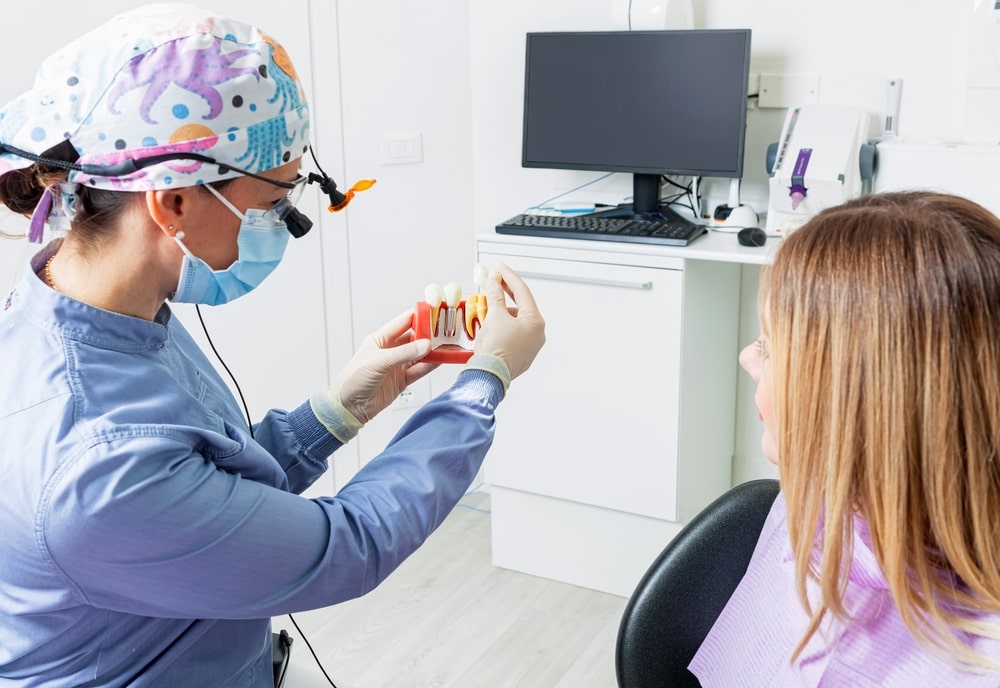
Dental implants have become one of the most dependable long-term solutions for missing teeth, and many people in the Cromwell area wonder whether they might be a good candidate. At Smile Drs in Cromwell, CT, individuals often explore implant options to help restore function and confidence. Understanding candidacy is the first step toward making an informed decision. This article explains what qualifies someone for dental implants, how overall health and lifestyle factors play a role, and what you can expect when considering this long-lasting tooth replacement option.
Understanding What Makes a Strong Dental Implant Candidate
Dental implants rely on healthy bone, stable gums, and a well-balanced oral environment to succeed. Because implants integrate with the jawbone over time, candidates typically need sufficient bone density to support the implant post. When a tooth has been missing for an extended period, natural bone loss may occur, and a dentist may explore ways to strengthen or rebuild the area before implant placement.
Healthy gums are equally important since gum disease can interfere with the healing process. Routine maintenance, such as scheduling a dental cleaning consultation, can support overall gum health and help determine readiness for implant treatment. This is why many dentists begin the process with a review of gum health, bone density, and medical history.
Age is generally not a limiting factor; adults of many ages can qualify. What matters most is oral stability and long-term maintenance. Individuals considering tooth replacement may also look into restorative alternatives, such as crowns and bridges, to understand how implants compare to other solutions.
Health and Lifestyle Factors That Influence Candidacy
Implant success depends on how well the implant post fuses with the jawbone during healing. Certain health conditions may affect the healing process. For example, uncontrolled diabetes or autoimmune conditions may require additional evaluation. These considerations do not automatically rule out implants—they simply help ensure safer planning.
Lifestyle choices matter as well. Smoking may affect healing and increase the risk of complications. Individuals who grind or clench their teeth may benefit from added protection, such as using a bite guard to reduce pressure on the implant during healing.
Patients exploring implants may also have other dental concerns, such as worn restorations or cavities. Addressing existing issues first—like receiving tooth-colored composite fillings—can help create a healthier, more stable oral environment for implant placement.
Comparing Dental Implant Candidacy with Other Treatment Options
When evaluating implant candidacy, many people compare implants with removable or non-surgical options. Dentures remain a common tooth replacement choice; some individuals explore partial dentures or full dentures to understand how they differ from implant-based solutions.
Patients missing only one or two teeth may also consider restorations such as same-day crowns. While these can be effective, implants provide a replacement that integrates directly with the bone, offering a natural feel and strong chewing ability.
For those undergoing orthodontic treatment, timing matters. Individuals exploring Invisalign may need to discuss implant planning, as implants do not shift with tooth movement, making coordination between treatments important.
Practical Considerations Before Scheduling a Dental Implant Consultation
Before meeting with a dentist to discuss implants, it may help to review a few practical considerations:
• Review your medical history, including medications.
• Consider lifestyle habits that may affect healing.
• Determine whether other dental needs—such as a root canal—should be addressed first.
• Reflect on long-term goals for comfort, appearance, and function.
• Prepare questions about healing, maintenance, and the overall treatment timeline.
Individuals who recently lost a tooth may also want to learn more about the timing of extractions. Reviewing information on tooth extractions can help clarify how extraction relates to future implant placement.
During the consultation, temporary restorations may be discussed to maintain comfort and appearance while planning treatment. Learning about provisional restorations can help patients understand what to expect throughout the implant process.
Closing Thoughts
Dental implants can be a long-lasting, natural-feeling solution for individuals experiencing tooth loss. Determining candidacy involves evaluating bone health, gum stability, lifestyle factors, and readiness for long-term care. By understanding the criteria ahead of time, patients can approach their consultation with clarity and confidence. For those in Cromwell, CT, learning about implant candidacy is an important step in restoring comfort and function. Smile Drs in Cromwell, CT supports community members as they navigate their oral health decisions.
Sources:
Misch, C. (2014). Contemporary Implant Dentistry. Mosby.
Lang, N., & Berglundh, T. (2011). Peri-implant diseases: Consensus report. Journal of Clinical Periodontology.
Esposito, M., Grusovin, M., & Coulthard, P. (2006). The efficacy of various bone augmentation procedures for dental implants. Cochrane Database of Systematic Reviews.