

Missing teeth can affect far more than appearance. Gaps in the smile may influence how a person eats, speaks, and feels about their overall oral health. Over time, tooth loss can also lead to shifting teeth, bite changes, and additional strain on remaining teeth. At Smile Drs in Cromwell, CT, patient education focuses on helping individuals understand their tooth replacement options so they can make informed decisions that support long-term comfort and function. One question that often arises is whether partial dentures are still a good option in today’s world of modern dentistry.
Partial dentures have been used for decades to replace one or more missing teeth, and advances in materials and design have improved their comfort and reliability. While newer options such as dental implants are widely discussed, partial dentures continue to serve an important role for many patients. Understanding how partial dentures work, who they may benefit, and how they compare to other solutions can help individuals determine whether they remain a practical choice.
What Partial Dentures Are and How They Work
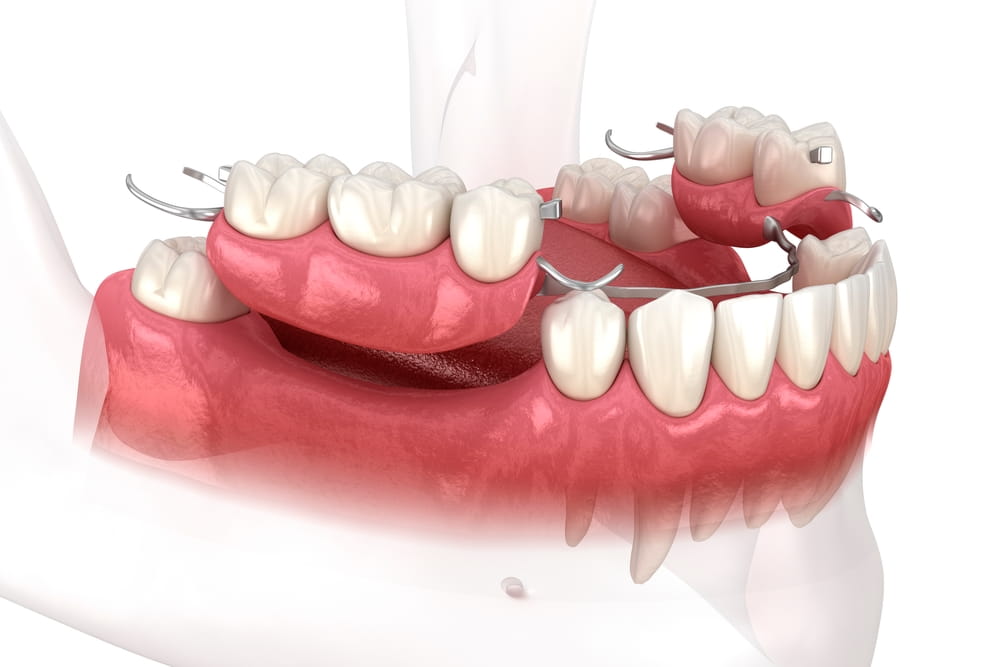
Partial dentures are removable dental appliances designed to replace multiple missing teeth when some natural teeth remain. They consist of replacement teeth attached to a gum-colored base, which is supported by the remaining teeth and oral structures. Clasps or precision attachments help hold the denture securely in place, allowing it to function during daily activities such as eating and speaking.
Modern partial dentures are designed with comfort and function in mind. Advances in dental materials allow for more natural-looking teeth and thinner, lighter frameworks compared to older designs. This improved fit helps reduce irritation and enhances stability, making partial dentures easier to wear consistently.
By filling gaps in the smile, partial dentures help maintain proper spacing between remaining teeth. This support reduces the likelihood of neighboring teeth shifting into empty spaces, which can affect bite alignment and overall oral function over time.
Why Partial Dentures Remain a Reliable Option
Despite advancements in tooth replacement technology, partial dentures remain a reliable option for many individuals. One reason is their versatility. Partial dentures can be used in a wide range of situations, including cases where multiple teeth are missing in different areas of the mouth. This flexibility allows them to address complex tooth loss patterns that may not be suitable for other solutions.
Affordability is another important factor. Compared to some fixed tooth replacement options, partial dentures often involve lower upfront costs, making them more accessible for individuals with budget considerations. For patients who want to restore function and appearance without extensive procedures, partial dentures may offer a practical balance between effectiveness and cost.
Partial dentures are also non-invasive relative to some alternatives. Because they do not require surgical placement, they may be an appealing option for individuals who prefer a removable solution or who are not candidates for certain procedures due to health or anatomical factors.
Comfort and Function With Modern Partial Dentures
Comfort has improved significantly with modern partial denture design. Digital impressions, refined materials, and improved fitting techniques help create appliances that feel more natural in the mouth. When properly designed, partial dentures distribute chewing forces evenly, reducing stress on remaining teeth and supporting efficient function.
Speech concerns are common when considering tooth replacement, but many people adapt quickly to partial dentures. As the tongue and muscles adjust, clarity often improves, allowing individuals to speak confidently again. The presence of replacement teeth can also restore support to the lips and cheeks, contributing to a more balanced facial appearance.
Partial dentures also support nutritional health by allowing individuals to chew a wider variety of foods. Restoring chewing efficiency helps promote a more balanced diet, which can positively influence overall well-being.
Comparing Partial Dentures to Other Tooth Replacement Options
When exploring tooth replacement, it is helpful to understand how partial dentures compare to other common solutions. Dental bridges, for example, rely on adjacent teeth for support and may require altering those teeth to accommodate crowns. Partial dentures, on the other hand, are removable and do not permanently alter neighboring teeth in the same way.
Dental implants offer a fixed solution that closely mimics natural teeth, but they may not be suitable for everyone. Factors such as bone density, health considerations, treatment timelines, and cost can influence whether implants are an appropriate choice. Partial dentures remain a valuable alternative when implants are not feasible or preferred.
For individuals considering multiple restorative options, understanding how partial dentures fit into broader restorative dentistry planning helps support informed decision-making. Each option offers unique benefits, and the best choice often depends on individual needs, preferences, and long-term goals.
Maintenance and Care for Partial Dentures
Caring for partial dentures is an important part of maintaining comfort and longevity. Because they are removable, partial dentures should be cleaned daily to remove food particles and plaque. Gentle brushing with appropriate cleaning solutions helps preserve the materials and maintain oral hygiene.
It is also important to care for remaining natural teeth and gums. Consistent oral hygiene supports the health of supporting structures and helps prevent issues that could affect the fit of the denture over time. Routine dental exams allow dental professionals to monitor fit, oral health, and any changes that may require adjustment.
Over time, changes in the mouth may occur due to natural bone remodeling or wear. Periodic adjustments help ensure that partial dentures continue to fit properly and function comfortably.
Who May Benefit Most From Partial Dentures
Partial dentures may be especially beneficial for individuals who are missing several teeth but still have healthy natural teeth remaining. They are often used as an interim or long-term solution depending on a person’s needs and circumstances. Patients who prefer a removable option or want flexibility in their treatment plan may find partial dentures appealing.
They may also serve as a transitional solution while planning for other restorative options. In these cases, partial dentures help maintain function and appearance during longer treatment timelines.
Because tooth loss patterns vary, evaluating overall oral health, bite alignment, and personal preferences helps determine whether partial dentures are an appropriate option.
Practical Considerations When Choosing Partial Dentures
Choosing a tooth replacement solution involves practical considerations beyond appearance. Partial dentures offer adaptability and ease of maintenance, which many individuals appreciate. Being removable allows for thorough cleaning and inspection, supporting long-term oral health.
Some individuals may require an adjustment period as they adapt to wearing partial dentures. This process is normal and often resolves as the mouth becomes accustomed to the appliance. Education and patience play an important role in achieving a positive experience.
A Time-Tested Tooth Replacement Solution
Partial dentures continue to be a valuable and effective option for replacing missing teeth. With modern materials, improved comfort, and reliable function, they remain relevant in today’s dental landscape. At Smile Drs in Cromwell, CT, understanding the role of partial dentures helps patients make informed decisions about restoring their smiles and maintaining oral health.
By offering support for chewing, speaking, and appearance, partial dentures help bridge the gap between tooth loss and long-term comfort. For many individuals, they remain a practical, dependable solution worth considering.
Sources
Zarb, G. A., Hobkirk, J. A., Eckert, S. E., & Jacob, R. F. (2013). Prosthodontic Treatment for Edentulous Patients. Elsevier.
Carr, A. B., & Brown, D. T. (2012). McCracken’s Removable Partial Prosthodontics. Elsevier.
Felton, D. A. (2016). Edentulism and comorbid factors. Journal of Prosthodontics.