

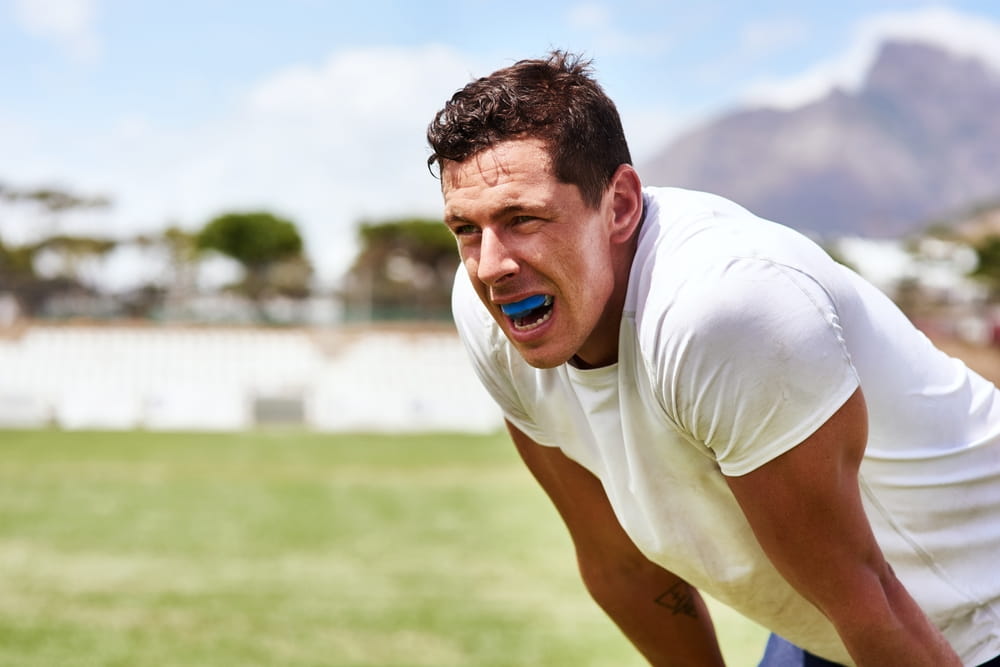
Participation in sports offers physical, social, and emotional benefits for athletes of all ages, but it also comes with an increased risk of injury. Dental and facial injuries are among the most common sports-related incidents, especially in contact and high-impact activities. At Smile Drs in Cromwell, CT, patient education plays an important role in helping individuals protect their oral health both on and off the field. Sports mouth guards are a key piece of protective equipment that often does more than people realize.
While many athletes understand that mouth guards help prevent broken or knocked-out teeth, their benefits extend well beyond dental protection. A properly designed mouth guard supports the jaw, cushions soft tissues, and may help reduce the severity of certain head and neck injuries. Understanding how sports mouth guards work and why they are so effective can help athletes, parents, and coaches make informed decisions about injury prevention.
Preventing Dental Injuries in Athletic Activities
Dental injuries are common in sports that involve physical contact, fast-moving equipment, or the potential for falls. Activities such as football, basketball, hockey, soccer, baseball, martial arts, and even recreational cycling all present risks to the teeth and mouth. A sudden collision, elbow, ball, or fall can result in chipped teeth, fractures, or complete tooth loss.
A sports mouth guard helps absorb and disperse the force of impact before it reaches the teeth. By creating a protective barrier between the upper and lower arches, the mouth guard reduces the likelihood that teeth will collide with each other or with an external object. This cushioning effect can significantly lower the risk of traumatic dental injuries.
Custom-fitted mouth guards are especially effective because they are designed to conform precisely to an individual’s teeth and bite. This tailored fit allows the guard to remain securely in place during activity, offering consistent protection without interfering with breathing or communication. In contrast, poorly fitting or generic mouth guards may shift or dislodge, reducing their effectiveness at critical moments.
For athletes who already have dental restorations such as fillings, crowns, or veneers, mouth guards provide an added layer of protection. Dental restorations can be more vulnerable to impact than natural tooth structure, making preventive measures even more important.
Supporting Jaw Stability and TMJ Protection
In addition to protecting teeth, sports mouth guards play an important role in stabilizing the jaw during impact. A blow to the face can force the lower jaw upward and backward, placing stress on the temporomandibular joint and surrounding muscles. Over time or with repeated trauma, this stress may contribute to jaw discomfort, clicking, or limited movement.
By cushioning the contact between the upper and lower teeth, a mouth guard helps reduce the intensity of jaw movement during impact. This buffering effect may lower strain on the jaw joints and muscles, supporting overall comfort during and after athletic activity. For individuals who are already managing jaw symptoms or undergoing TMJ treatment, wearing a properly fitted mouth guard during sports may be especially beneficial.
Jaw protection is important not only for contact sports but also for activities where falls are common. Even a simple fall can result in the jaw snapping shut suddenly, creating force that travels through the joint. Mouth guards help distribute this force more evenly, reducing localized stress.
Protecting Soft Tissues Inside the Mouth
The mouth contains delicate soft tissues, including the lips, cheeks, tongue, and gums. During impact, these tissues can be injured when they are pressed against sharp or hard tooth surfaces. Cuts, bruises, and lacerations inside the mouth are painful and can increase the risk of infection if not managed properly.
Sports mouth guards act as a barrier between the teeth and soft tissues, reducing the chance of injury during collisions. By covering the biting surfaces of the teeth, the mouth guard minimizes the likelihood that soft tissues will be trapped or bitten during sudden movements. This protection can be particularly valuable for athletes who wear braces or have sharp dental edges.
Soft tissue protection is often overlooked, but it plays a significant role in overall oral comfort and healing. Preventing these injuries helps athletes avoid unnecessary discomfort and allows them to return to normal activities more quickly.
Reducing the Risk of More Serious Head and Neck Injuries
Although mouth guards are not designed to prevent concussions, research suggests they may help reduce the severity of certain head and neck injuries. When an athlete experiences a blow to the face or jaw, force can travel through the jawbone toward the skull. A mouth guard helps absorb and redistribute some of that energy, potentially limiting how much force reaches the head and neck.
By stabilizing the jaw and reducing shock transmission, mouth guards may contribute to overall injury reduction during sports participation. This added layer of protection is especially important in youth and adolescent athletes, whose bones and joints are still developing.
Athletes who already prioritize preventive care through regular dental exams and cleanings often recognize that a mouth guard is another proactive step in protecting long-term oral health.
The Importance of Custom-Fitted Mouth Guards
Not all mouth guards offer the same level of protection. Over-the-counter options may be inexpensive and readily available, but they often lack the fit and comfort needed for consistent use. Ill-fitting mouth guards can be bulky, uncomfortable, or difficult to keep in place, which may discourage athletes from wearing them regularly.
Custom-fitted mouth guards are designed based on precise impressions of the athlete’s teeth. This personalized approach allows for a secure fit that enhances comfort and effectiveness. Because the guard fits snugly, athletes are more likely to wear it consistently during both practices and games.
Custom guards are also durable and designed to withstand repeated impact. For athletes who participate in sports year-round, investing in proper protection can help reduce the likelihood of costly and complex dental treatments in the future.
Practical Tips for Using and Caring for a Sports Mouth Guard
Proper use and maintenance are essential for ensuring that a mouth guard continues to provide reliable protection. Simple habits can extend the lifespan of the guard and support oral health.
- Wear the mouth guard during all practices and games, not just competitions
- Rinse and clean the mouth guard after each use to remove bacteria
- Store it in a ventilated case to allow it to dry properly
- Avoid exposing the mouth guard to excessive heat, which can distort its shape
- Replace the mouth guard if it shows signs of wear or no longer fits comfortably
Athletes who grow, undergo orthodontic changes, or experience dental work may need adjustments or replacements to maintain proper fit.
Protecting Oral Health for the Long Term
Sports mouth guards are a simple yet powerful tool for protecting oral health during athletic activities. Their benefits extend far beyond preventing chipped or broken teeth, supporting jaw stability, soft tissue protection, and overall injury prevention. At Smile Drs in Cromwell, CT, understanding the role of preventive care helps patients make informed choices that support both their athletic performance and long-term dental wellness.
By incorporating a properly fitted sports mouth guard into athletic routines, athletes of all ages can participate with greater confidence and peace of mind. Protecting the smile today helps preserve oral health for years to come.
Sources
American Dental Association. (2022). Mouthguards. Journal of the American Dental Association.
Ranalli, D. N. (2002). Sports dentistry and dental traumatology. Dental Clinics of North America.
Newsome, P. R. H., Tran, D. C., & Cooke, M. S. (2001). The role of the mouthguard in the prevention of sports-related dental injuries. British Dental Journal.