

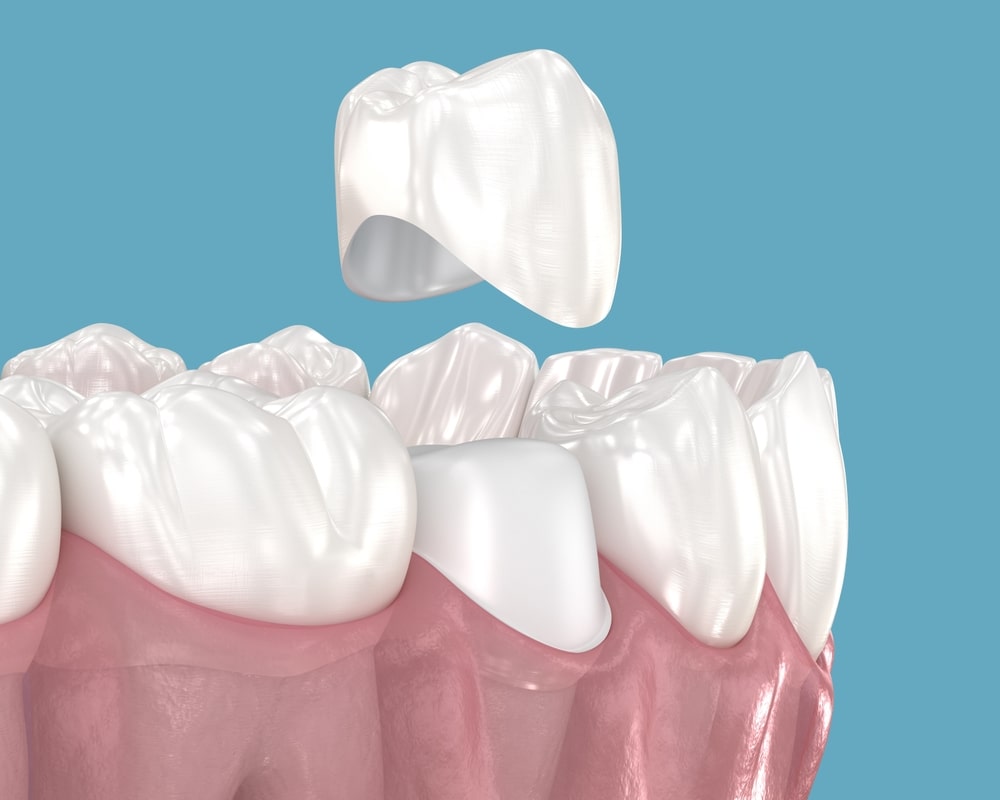
Dental crowns are among the most frequently recommended restorative treatments for adults, largely because they provide strength and protection when a tooth can no longer function reliably on its own. Whether a tooth is weakened from decay, injury, grinding, or repeated dental work, a crown helps restore stability and prevent further complications. For patients in Cromwell, CT, understanding the most common reasons adults need dental crowns can make treatment decisions more approachable and easier to navigate. Individuals who want to learn more about how crowns work may benefit from reviewing resources on dental crowns and bridges to understand the broader role these restorations play in oral health.
Crowns are designed to cover the entire visible surface of a tooth, reinforcing its structure while preserving its natural root. Because they are durable and versatile, crowns support a wide range of restorative and functional needs. The sections below explore the most common reasons adults ultimately require a crown and how these restorations help improve both comfort and long-term dental stability.
Severe Tooth Decay Requiring Added Protection
One of the most common reasons adults require a dental crown is the presence of significant tooth decay. When a cavity becomes too large for a filling to effectively repair, the remaining tooth structure may not be strong enough to withstand everyday chewing forces. A crown restores stability by encasing the damaged tooth and preventing further deterioration.
Sometimes decay compromises the tooth from the inside or weakens several surfaces simultaneously. If a filling were placed in these situations, the tooth might continue to break down or even fracture under pressure. This is especially true for back teeth, which absorb the majority of chewing force. In cases like this, a crown provides a long-term, predictable solution to protect the remaining enamel. Patients who want to compare how different restorations address decay sometimes explore treatments such as composite fillings, which can be effective for smaller cavities but are not always adequate for extensive structural loss.
Without the additional support a crown provides, a severely decayed tooth could develop cracks or new decay, sometimes leading to infection or the need for more complex restorative care.
Cracked or Fractured Teeth That Need Structural Reinforcement
Cracked teeth are another major reason adults require crowns. Everyday habits—such as grinding, clenching, or chewing hard foods—can gradually create fractures in the enamel. Some cracks cause only occasional sensitivity, while others extend deep into the tooth and threaten long-term stability. When a fracture compromises the tooth’s strength, a crown helps prevent the crack from worsening.
A fractured cusp is a common example. This occurs when a corner of the tooth breaks away, often around an older filling. While small chips may be repaired with bonding, larger fractures weaken the tooth significantly. A full-coverage crown redistributes biting pressure evenly across the tooth, reducing the risk of further cracking. For individuals who have experienced multiple fractures or have a history of weakened enamel, crowns offer consistency and long-term durability.
Grinding, in particular, can cause widespread wear and stress fractures. Addressing these habits may involve additional preventive care, such as bite guards or occlusal evaluations, to protect the new crown and remaining teeth from excessive force.
Strengthening a Tooth After Root Canal Treatment
Teeth that undergo root canal therapy are usually more brittle afterward because the internal tissue is removed during the procedure. This means the tooth no longer receives moisture from the pulp, making it more susceptible to fractures. For this reason, many root canal–treated teeth require crowns to ensure they stay structurally sound.
Root canal therapy removes infection and preserves the tooth’s natural root, allowing the tooth to remain functional. Once completed, however, a restoration such as a crown is essential to reinforce the compromised structure. Patients beginning to explore how root canal therapy works may find it helpful to review informational resources on endodontic treatment to better understand what is happening inside the tooth and why a protective restoration is needed afterward.
Without a crown, a root canal–treated tooth is at higher risk of chipping or fracturing during everyday use. A crown restores shape, strength, and chewing function, helping the tooth last for many years.
Excessive Wear from Grinding, Clenching, or Acid Erosion
Many adults gradually wear down their teeth through chronic grinding or clenching—also known as bruxism. Over time, this constant pressure can flatten the chewing surfaces, shorten the teeth, and create sensitivity. If the wear becomes too severe, crowns may be the most effective way to rebuild the proper tooth shape and restore normal function.
Acid erosion, caused by diet, medical conditions, or lifestyle factors, also contributes to tooth wear. Enamel softens and thins when exposed to acidic environments, leaving the tooth more vulnerable to damage. Once enamel loss progresses past a certain point, restoring the tooth with a crown can prevent further erosion and protect the sensitive inner layers from exposure.
Because crowns cover the entire tooth surface, they restore a healthier shape and bite relationship. This improves chewing efficiency while also enhancing esthetics for patients whose teeth have become significantly worn.
Teeth With Old or Failing Restorations
Older fillings and dental restorations may loosen, fracture, or develop decay around their edges. When this happens repeatedly, the tooth becomes increasingly vulnerable. Patients with large fillings often discover that, over time, the surrounding enamel has weakened. Once a filling no longer provides reliable support, a crown can offer a much more stable and long-lasting solution.
Teeth restored multiple times also tend to lose structural integrity. Attempting to repair an aging restoration with yet another filling may not provide the strength needed to withstand natural chewing forces. A crown, on the other hand, reinforces the tooth and reduces the likelihood of repeated restorative procedures in the future.
In cases where a tooth must be removed because it cannot be predictably restored, patients may explore replacement options such as tooth extraction followed by prosthetic planning. However, whenever feasible, preserving the natural tooth with a crown remains the preferred approach to maintain stability and function.
Restoring Teeth Damaged by Trauma or Accidents
Unexpected dental trauma—such as sports injuries, falls, or accidents—can damage teeth in ways that make crowns necessary. Even when the visible damage appears minor, the internal structure may be weakened. Crowns help restore strength, shape, and function to damaged teeth while preventing additional complications.
Trauma may also produce cracks that deepen over time. Crowns provide reinforcement, reducing the chance that the tooth will break further or require removal. Addressing injuries promptly can preserve the natural tooth and support long-term oral health.
Final Thoughts
Dental crowns remain one of the most common and effective restorative treatments for adults because they offer strength, protection, and long-term durability. Whether the tooth is affected by decay, fractures, wear, trauma, or past dental work, a crown can help restore function and stability while maintaining a natural appearance. For patients in Cromwell, CT, understanding why crowns are recommended provides clarity and confidence when making decisions about restorative care.
Sources
Shillingburg H.T., et al. (2012). Fundamentals of Fixed Prosthodontics. Quintessence Publishing.
Goodacre C.J., et al. (2015). Clinical complications with crowns and fixed partial dentures. Journal of Prosthetic Dentistry.
Rosenstiel S.F., et al. (2016). Contemporary Fixed Prosthodontics. Mosby.