

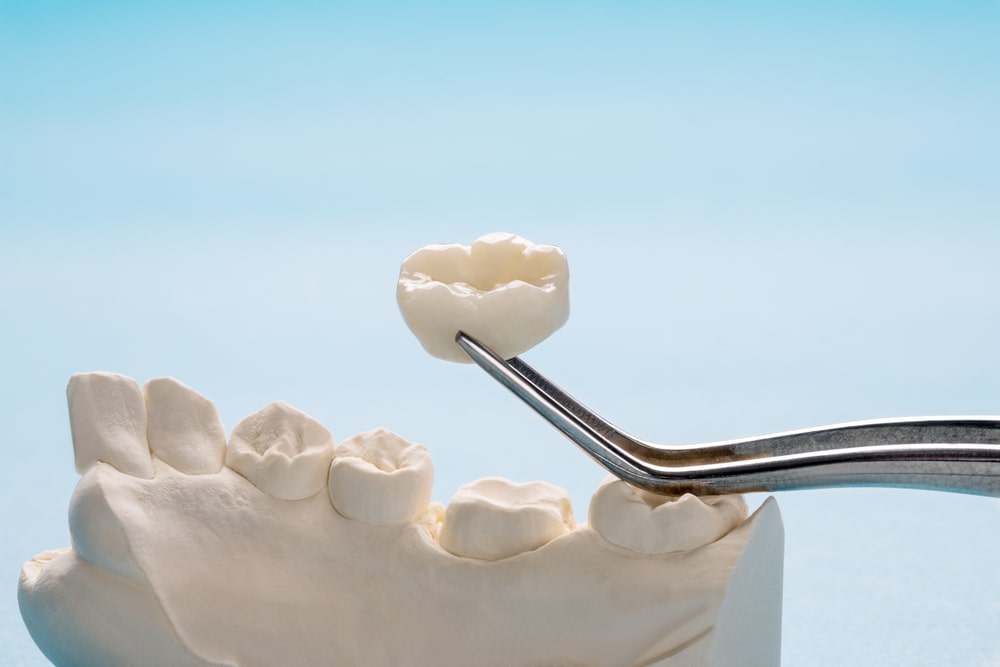
For patients who have damaged or weakened teeth, crowns are often an essential part of restoring function and appearance. Traditionally, receiving a crown required multiple visits, temporary restorations, and several weeks of waiting. With advancements in digital dentistry, same-day crowns now allow dentists to design, mill, and place a permanent restoration in a single appointment. Understanding the technology behind this innovative process can help you feel more confident and informed during your visit to Smile Drs in Cromwell, CT.
Whether you need a crown after a fracture, decay, or replacement of an older restoration, same-day crown systems offer a fast and precise solution. This guide explains the digital tools involved, how your crown is created, and why same-day technology has become an efficient and reliable alternative to traditional crowns. Patients beginning their research may find it helpful to explore same-day crown technology to understand how the process works.
The Digital Imaging Step: Replacing Traditional Impressions
One of the most transformative aspects of same-day crown technology is digital scanning. Instead of using traditional impression materials, your dentist captures a detailed 3D image of your teeth with an intraoral scanner. This approach eliminates common issues with physical impressions, such as gagging or distortion, and produces highly accurate digital models that can be viewed instantly on a computer screen. The scanner records fine details of tooth structure, gum contours, and bite relationships, providing the precise foundation needed for a customized restoration.
Digital imaging is also helpful when a tooth has preexisting restorations or areas weakened by decay. In some situations, the scan may show that repairing a small defect with a material like a composite filling is sufficient, whereas more extensive damage may require full coverage with a crown. These digital evaluations make treatment decisions more predictable and personalized.
Designing the Custom Crown With CAD Software
After digital imaging, the next step involves designing the crown using computer-aided design (CAD) software. This program allows the dentist to customize every aspect of the crown—from contour and thickness to bite alignment and surface anatomy. The software can simulate how the restoration will interact with surrounding teeth and how it will function when chewing, helping ensure that the final design is both esthetic and stable.
The digital model also makes it easier to coordinate treatment with broader restorative plans. Patients comparing different types of restorative solutions may review related treatments such as crowns and bridges to understand how these options differ in terms of materials, longevity, and preparation requirements. The CAD design serves as the blueprint for crafting a crown that seamlessly matches the patient’s existing dentition.
Precision Milling: How the Crown Is Fabricated in Minutes
Once the crown design is finalized, the digital file is sent to an in-office milling unit. This specialized machine carves the crown out of a solid block of high-strength ceramic using extremely fine cutting instruments. Because the milling process directly follows the CAD design, the resulting crown is highly accurate, with smooth margins and anatomy tailored to your bite and neighboring teeth.
Fabrication typically takes between ten and twenty minutes, a significant improvement over the weeks-long process associated with traditional lab-made crowns. The dentist can then shape, polish, or glaze the restoration to achieve a natural finish. In some cases, milling technology is also used to create partial restorations for patients whose structural needs do not require a full crown. Learning about inlays and onlays can help clarify how these restorations compare and when they may be appropriate alternatives.
Placement and Bonding: Completing Your Restoration in One Visit
When the crown is ready, the dentist evaluates its fit by placing it onto the prepared tooth and checking the bite from several angles. Because the design is digitally guided, the need for adjustments is usually minimal. Once the crown’s position, shape, and color have been confirmed, it is bonded securely with a durable dental cement. The dentist then performs a final polish to ensure a smooth, natural-looking finish.
Completing the entire process in one appointment eliminates the need for temporary crowns, which can be prone to loosening, cracking, or affecting the bite. With same-day technology, patients leave the office with a fully functional, permanent restoration that supports long-term comfort and stability.
The Technology That Makes the Fast Turnaround Possible
The rapid turnaround of same-day crowns is possible because of the seamless integration of digital scanning, CAD software, and chairside milling. Together, these tools replace traditional impression materials, lab fabrication steps, and the need for multiple appointments. Digital systems enhance accuracy by eliminating variables that can distort impressions or misalign models. The controlled workflow—from scanning to milling to placement—allows dentists to fine-tune each stage immediately, resulting in precise and efficient restorative care.
This technology also provides long-term benefits. Because digital scans are saved in the patient’s record, they can be used as references for future restorations, bite evaluations, or monitoring changes over time. This continuity enhances preventive and restorative planning.
When Same-Day Crowns Are an Ideal Option
Same-day crowns are a strong option for many patients whose teeth need immediate and durable support. They work particularly well for teeth with fractures, deep decay, structural weakening, or old restorations that can no longer protect the tooth adequately. Patients who prefer fewer appointments or have busy schedules find same-day crowns especially convenient, as the entire process is completed in one visit.
There are situations where a traditional crown may still be preferred, such as when highly customized shading is needed for front teeth or when certain materials are required. However, for most functional and esthetic needs—particularly in posterior teeth—same-day crowns offer an excellent blend of speed, accuracy, and long-lasting performance.
Final Thoughts
Same-day crowns have transformed restorative dentistry by blending digital precision with same-day convenience. Through the integration of intraoral scanners, CAD technology, and advanced milling systems, dentists can create strong, esthetic, and well-fitting crowns in a single appointment. For patients in Cromwell, CT, understanding how this technology works can make the treatment experience more comfortable and reassuring. Whether you are restoring a damaged tooth or upgrading an older restoration, same-day crown technology provides a fast and reliable solution that supports long-term oral health.
Sources
Miyazaki T., et al. (2009). A review of dental CAD/CAM: Current status and future perspectives. Journal of Prosthodontic Research.
Beuer F., et al. (2008). Digital dentistry: An overview of recent developments for CAD/CAM generated restorations. International Journal of Computerized Dentistry.
Sulaiman T.A. (2020). Materials in digital dentistry—A review. Journal of Esthetic and Restorative Dentistry.